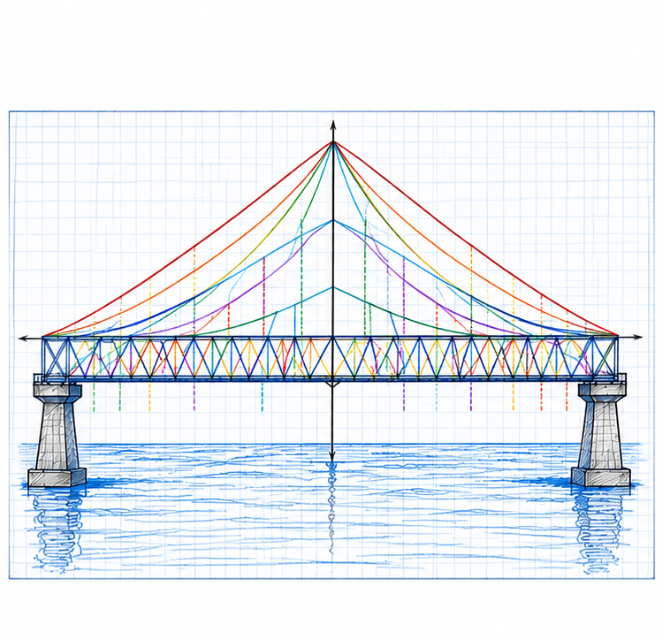
engineering
Graphing
Read, build, and use graphs to create things in the real world the way engineers and analysts do.
Curriculum
Every MathOs session is built around math you can actually use — money, buildings, sports, decisions. Below is the full week-by-week plan for July 2026.
Three themes
Read, build, and use graphs to create things in the real world the way engineers and analysts do.
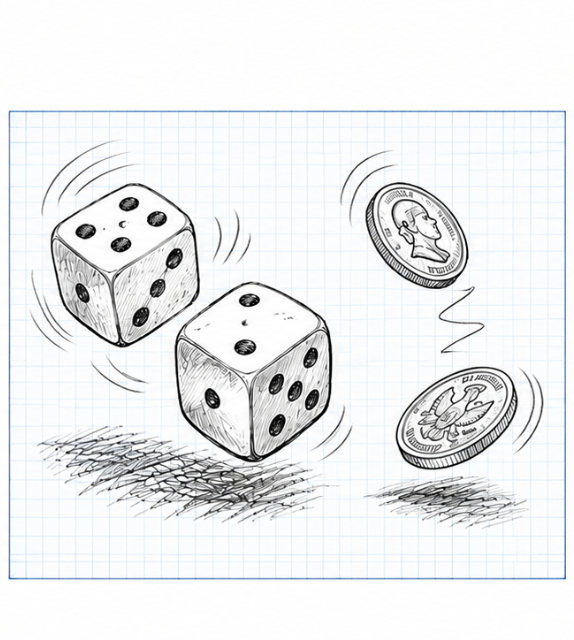
Use the same math banks, markets, and insurance companies use every day for many things.
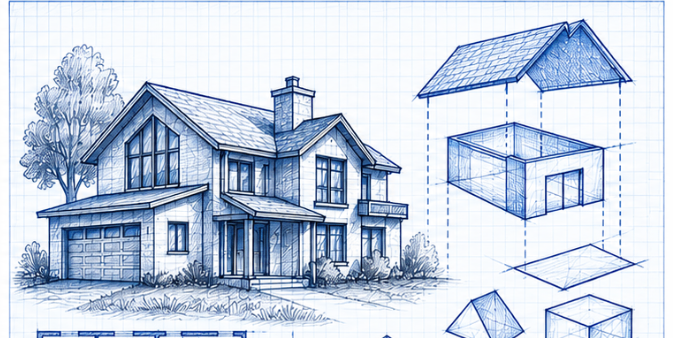
Design structures with area, volume, and angle relationships that have to actually hold up.
Graphs aren't homework — they're how engineers, athletes, and investors read the world.
What we cover
How it feels
We start with the question every student asks: when will I actually use this? In week one, we plot heart rates from a sprint, model a basketball arc with a parabola, and watch a savings account grow exponentially. Every concept comes from a real situation — the same kind of data engineers use to design and test things in the real world. Students leave able to read a chart in a news article and tell whether it's honest or misleading.
How banks, markets, and insurance companies all use the same math — and how to read it.
What we cover
How it feels
Probability and finance are the math adults use every day without realizing it. We run probability experiments by hand, then apply the same thinking to credit cards, savings accounts, and insurance. Students leave knowing how to evaluate a real financial offer and spot a bad bet — a skill most adults never get taught directly.
Area, volume, and angles aren't decoration — they decide whether a building stands up.
What we cover
How it feels
Geometry becomes obvious once you build something. We measure the library itself, study why bridges use triangles instead of squares, and finish the week with a tower-design challenge where every team works inside a real budget and height limit. Students apply area, perimeter, volume, and angle relationships to a structure they actually have to defend.
Pick a real problem. Use the math from weeks 1–3 to design a working solution.
What we cover
How it feels
Week four is when everything connects. Students choose a project — planning a city block, engineering a bridge, or pitching their own — and use graphing, probability, and geometry from earlier weeks to defend their design. We finish on the final Thursday of camp with a showcase day where every camper presents their final project to family and friends.
Built-in support